Advanced Cosmetic Procedures Training Course (ACP)
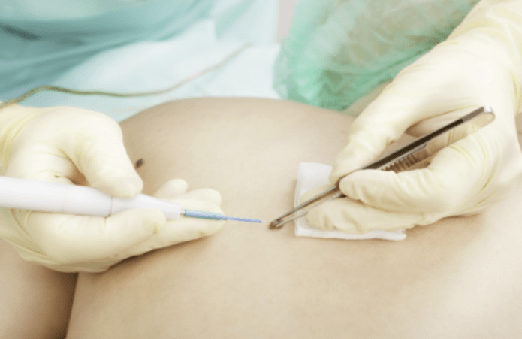
Learn advanced blemish removal through thorough theory, intensive practical training & continued case-study support
There's a significant difference between attending a two-day course and receiving two full days of practical training.
With Jane Bryan Beauty Training, you complete the underpinning theory before you attend. Your two classroom days can therefore concentrate on supervised practical work, treating a succession of suitable live models and developing your skills through repetition.
You'll also receive a comprehensive professional manual and complete ten case studies after your practical training, helping you consolidate what you've learnt before completing the course.
This is advanced training for qualified therapists who want to introduce blemish removal safely, responsibly and with the practical confidence to work with real clients.
Course investment: £1,595
Includes:
- Comprehensive home-study theory
- Detailed professional ACP manual
- Two full days of supervised practical training
- Practical experience with live models
- Training covering a broad range of blemishes
- Ten post-training case studies
- Case-study assessment
- ThinkTree accreditation
- 10 CPD points
- Certification following successful completion
Prefer a regulated qualification?
This training is also available as the Focus Awards Level 4 Certificate in Thermolysis and Cryotherapy for Blemish Removal Treatments.
The regulated pathway includes the additional theory, assessment, evidence and quality-assurance requirements needed to achieve the Level 4 qualification.
Regulated Level 4 pathway investment: £2,470
Not sure which pathway you need? Contact us and we’ll help you choose the most appropriate option based on your existing qualifications, insurance requirements and career plans.
This is not simply a two-day ACP course
Many ACP courses are advertised as two-day programmes, but the theory, demonstrations and practical work must all be completed within those same two days.
That can leave much less time than expected for students to practice.
Our course is structured differently.
You complete the underpinning theory before attending your practical training. That means both attendance days can focus on developing your consultation, assessment and treatment skills under close supervision.
You'll work through model after model, gaining experience of different blemishes, treatment areas and client considerations.
The aim isn't to rush you through a few techniques and send you away with a certificate.
The aim is to help you understand what you're treating, recognise when treatment is and isn't appropriate, carry out procedures safely and build confidence through repeated supervised experience.
How your ACP training works
1. Complete your theory before attending
Your training begins with structured home study and a detailed professional manual.
This prepares you with the underpinning knowledge you'll need before beginning the practical element of the course.
Your theory includes:
- The principles of Advanced Cosmetic Procedures
- Short-wave diathermy
- Relevant anatomy and physiology
- Skin analysis
- Recognising different blemish types
- Consultation and client assessment
- Contraindications and precautions
- Treatment limitations and referral
- Health, hygiene and infection prevention
- Blood-borne pathogens
- Sharps handling and disposal
- Equipment, needles and probes
- Treatment protocols
- Contra-actions and complications
- Aftercare and treatment planning
- Local authority licensing considerations
Completing this learning in advance means valuable practical time is not spent covering basic theory that could have been studied beforehand.
2. Attend two full practical training days
Your two attendance days are dedicated to supervised practical learning.
You'll observe tutor demonstrations and then perform treatments yourself, with guidance and correction throughout.
You'll develop your ability to:
- Carry out an investigative client consultation
- Analyse the skin and assess blemishes
- Decide whether treatment is suitable
- Recognise when further medical confirmation or referral may be needed
- Select suitable equipment, probes and treatment settings
- Position and support the client correctly
- Apply safe and controlled treatment techniques
- Adapt your approach according to the blemish and treatment area
- Monitor the skin’s response
- Provide appropriate aftercare
- Plan further treatment where required
- Document the treatment accurately
The emphasis is on active participation and repetition.
You'll not spend two days listening to theory and receive only a short period of practical experience at the end.
3. Complete ten case studies
Your learning continues after the practical training.
You'll complete ten case studies to demonstrate that you can apply your knowledge and practical skills consistently in your own working environment.
The case-study stage helps you:
- Build further practical experience
- Develop your treatment planning
- Reflect on treatment outcomes
- Improve your written records
- Identify areas where you need further guidance
- Consolidate your confidence before offering the treatment more widely
Your case studies must be completed in accordance with the course requirements before successful completion of the programme.
4. Receive your certification
Once you've completed the required theory, practical training and case studies, your work will be reviewed and you'll receive your ThinkTree-accredited course certificate.
Why therapists choose this ACP course
You're not paying simply to attend for two days.
You're investing in a structured professional training programme designed to develop genuine knowledge, judgement and practical competence.
Two dedicated practical days
The theory is completed beforehand, protecting your attendance time for practical learning.
Repeated experience with live models
You'll treat a succession of suitable models rather than performing one brief treatment and spending most of the course observing.
A broad range of blemishes
The programme goes considerably beyond training in only milia, skin tags, cherry angiomas and basic thread veins.
Ten case studies
You continue developing your skills after the classroom training rather than being considered fully trained simply because you attended.
A comprehensive professional manual
Your manual isn't a basic handout or set of presentation slides. It's designed to support your initial learning and remain a useful reference after the course.
Small-group or one-to-one training
Smaller training groups allow closer supervision, more individual feedback and greater opportunity to ask questions.
Training based on real practice
Our trainers bring practical industry experience to the classroom. You'll learn not only the textbook protocol, but how to think through the situations you may encounter when working with real clients.
Independent education
You won't be pressured into purchasing a particular product range or signing up to an expensive branded system.
Blemishes covered during your training
The course covers the assessment and treatment principles for a broad range of blemishes, including:
- Age spots
- Campbell de Morgan spots, also known as cherry angiomas or blood spots
- Dermatosis papulosa nigra
- Milia
- Mole reduction
- Molluscum contagiosum
- Sebaceous cysts
- Seborrhoeic keratoses
- Spider naevi
- Skin tags
- Syringomas
- Telangiectasia and facial thread veins
- Leg thread veins
- Verrucae
- Warts
- Xanthomas
The exact blemishes available for hands-on treatment during your practical days will depend on model suitability and availability.
We arrange a succession of models to provide as much varied practical experience as reasonably possible, but no responsible training provider can guarantee that every listed blemish will be present on every course date.
Your theory and manual cover the wider range so that you understand the relevant assessment, safety considerations and treatment principles.
What you will learn
By the end of the programme, you'll have developed your knowledge and practical skills in the following areas.
Advanced consultation and skin assessment
You'll learn how to conduct a detailed consultation rather than relying on a client’s own description of a blemish.
You'll consider:
- The client’s medical history
- Medication
- Previous treatment
- Skin condition
- The appearance and characteristics of the blemish
- Contraindications and precautions
- Treatment expectations
- Whether treatment is within your professional scope
- Whether medical confirmation or referral may be required
Safe treatment planning
You'll learn how to decide:
- Whether the blemish is suitable for treatment
- Which treatment approach may be appropriate
- Whether more than one appointment is likely to be needed
- How the treatment area affects your approach
- What result can realistically be expected
- What risks and possible skin responses must be discussed
- What aftercare the client will need
Equipment and technique
Your training will include:
- Short-wave diathermy
- ACP equipment
- Needles and probes
- Safe equipment handling
- Treatment positioning
- Controlled application
- Skin response
- Adapting your technique
- Health and safety
- Infection prevention
- Sharps disposal
Contra-actions and aftercare
You'll learn to recognise expected and unexpected skin responses, explain them appropriately to clients and provide clear written and verbal aftercare.
You'll also learn when a client should be advised to seek medical attention.
A manual you'll continue to use
Your ACP manual is a substantial part of the programme.
It's been developed to provide the depth of knowledge needed for safe professional practice - not merely enough information to get through the training days.
It includes detailed guidance on:
- Advanced Cosmetic Procedures
- Relevant anatomy and physiology
- Skin and blemish assessment
- Consultation procedures
- Contraindications and precautions
- Health and hygiene
- Infection control
- Blood-borne pathogens
- Sharps disposal
- Local authority licensing
- Equipment, needles and probes
- Treatment protocols
- Contra-actions
- Aftercare
- Treatment planning
- Case-study requirements
Your manual remains available as a professional reference when you begin carrying out treatments independently.
What this training can add to your practice
Advanced Cosmetic Procedures can allow you to offer targeted treatments for clients who are concerned about visible skin blemishes.
These are often relatively short treatments, but they require considerably more knowledge and judgement than their treatment time might suggest.
Once appropriately trained, insured and compliant with any local licensing requirements, you will be able to:
- Expand beyond traditional facial treatments
- Provide solutions for specific client concerns
- Introduce a specialist treatment category
- Increase the value of suitable client appointments
- Attract clients who are actively seeking blemish removal
- Build repeat and referral business
- Strengthen your professional reputation
However, ACP should not be introduced simply because it can be profitable.
It must be supported by thorough consultation, accurate assessment, appropriate insurance, safe working practices and a clear understanding of professional limitations.
That's why the depth and structure of your training matter.
Is this course right for you?
This programme is designed for qualified therapists who:
- Want to progress into advanced blemish-removal treatments
- Value thorough training rather than the quickest available certificate
- Want substantial practical experience
- Understand the importance of consultation and assessment
- Are prepared to complete theory before attending
- Are willing to complete ten case studies after the practical days
- Want to work safely and within their professional scope
- Prefer independent training that's not tied to one equipment brand
This is not a beginner-level beauty course.
It's also not suitable for someone looking for a quick attendance certificate without completing the required home study and case studies.
Entry requirements
As this is advanced training, you must hold:
- A recognised Level 3 Anatomy and Physiology qualification
- A recognised facial treatment qualification
Copies of your qualifications are requred before your place is confirmed.
International and alternative qualifications may be considered individually.
You must also ensure that:
- Your insurer will provide appropriate cover
- You can obtain any licence required by the local authority where you work
- You have access to suitable equipment and models for your case studies
- You work within the limits of your qualifications and insurance
Our Level 3 Anatomy and Physiology course and facial training are available separately for learners who do not currently meet the entry requirements.
Details of our Level 3 A&P Course
Details of our CPD Facial & Skincare Course
Course details
Course format: Home study, two practical training days and ten case studies
Guided learning hours: 50
Practical training: Two full days of supervised, hands-on training
Accreditation: ThinkTree
CPD points: 10
Course investment: £1,595, which includes £320 booking fee
Training locations
ACP practical training is available at selected training centres, including:
- Tunbridge Wells, Kent
- Grantham, Lincolnshire
- Kettering, Northamptonshire
- Derry, Northern Ireland
- Whitley Bay, Tyne and Wear
- Rotherham, Yorkshire
ACP refresher training
Already qualified in Advanced Cosmetic Procedures but lacking confidence or returning to treatment after a break?
A one-day ACP refresher is available for appropriately qualified practitioners.
The refresher day provides supervised practical updating and does not include the full course manual or a new qualification certificate, but you do receive a certificate of attendance.
Refresher investment: £999, which inlcudes £150 booking fee
Evidence of your previous ACP qualification will be required before booking.
Relevant blogs
Thinking of offering Advanced Cosmetic Procedures? Read this first
ACP Explained: Small Treatments, Big Impact
Why Advanced Cosmetic Procedures are a profitable treatment to add to your clinic